
4 Major UK Housing and Construction Updates to Watch in 2026
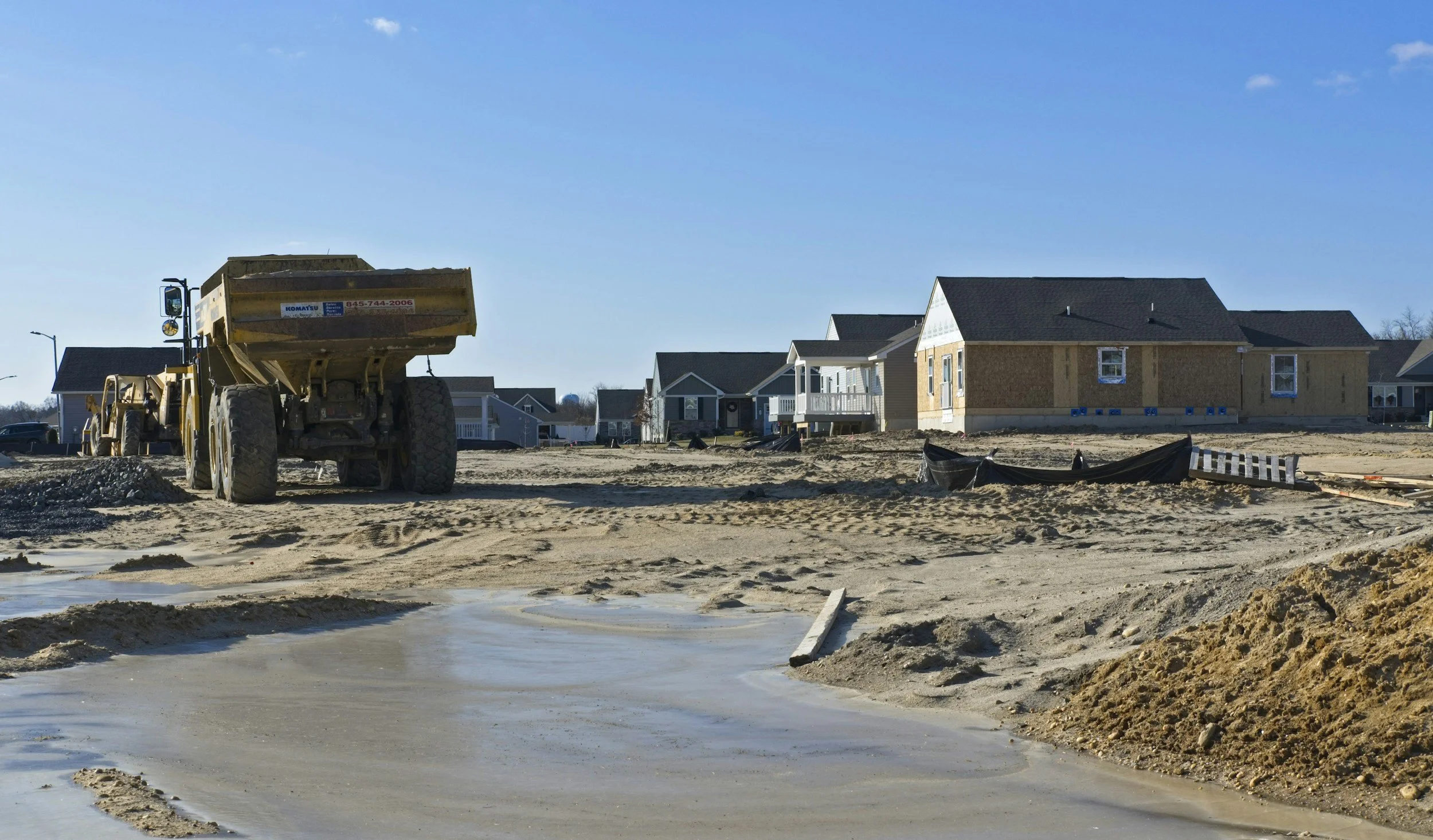
The UK construction sector is constantly evolving as economic conditions, housing demand and government policy shape how projects are delivered. In 2026, several developments are influencing how builders and homeowners approach construction and renovation projects across the country.
For those living in Dorset and the South of England, these changes affect everything from planning decisions to property improvement strategies.
Here are four key housing and construction updates currently shaping the industry.
1. Continued demand for home renovations
Across the UK, many homeowners are choosing to renovate rather than relocate. Rising property prices and the costs associated with moving have encouraged people to improve existing homes instead of buying new ones.
This has resulted in increased demand for extensions, loft conversions and internal reconfigurations. For builders, renovation projects now make up a significant proportion of residential construction work.
In areas such as Bournemouth, Poole and Christchurch, where housing demand remains high, improving existing homes has become a practical way to create additional space and increase property value.
2. Government focus on housing delivery
Housing supply continues to be a national priority. Government discussions around planning reforms and housing targets aim to increase the number of homes built each year.
While large housing developments receive the most attention, smaller residential construction projects also play an important role in meeting housing demand.
Builders working on individual homes, extensions and renovations contribute significantly to improving housing availability and quality.
3. Sustainability and energy efficiency
Environmental considerations are becoming increasingly important within construction. Regulations and industry standards are encouraging builders to improve energy efficiency and reduce environmental impact.
This includes improved insulation, energy-efficient glazing and modern heating systems. For homeowners, these improvements can lead to lower energy costs and more comfortable living environments.
4. Skilled trades remain essential
Despite the growth of technology within construction, skilled tradespeople remain central to delivering quality projects.
Carpenters, bricklayers, electricians and roofers continue to be essential in residential construction, and training new professionals remains a priority for the industry.
For homeowners planning projects in Dorset, these developments highlight the importance of working with experienced builders who understand both current construction practices and the evolving industry landscape.
As housing demand continues and renovation projects grow in popularity, residential construction is expected to remain a vital part of the UK economy.