
Digital Technology Is Changing How Construction Projects Are Planned
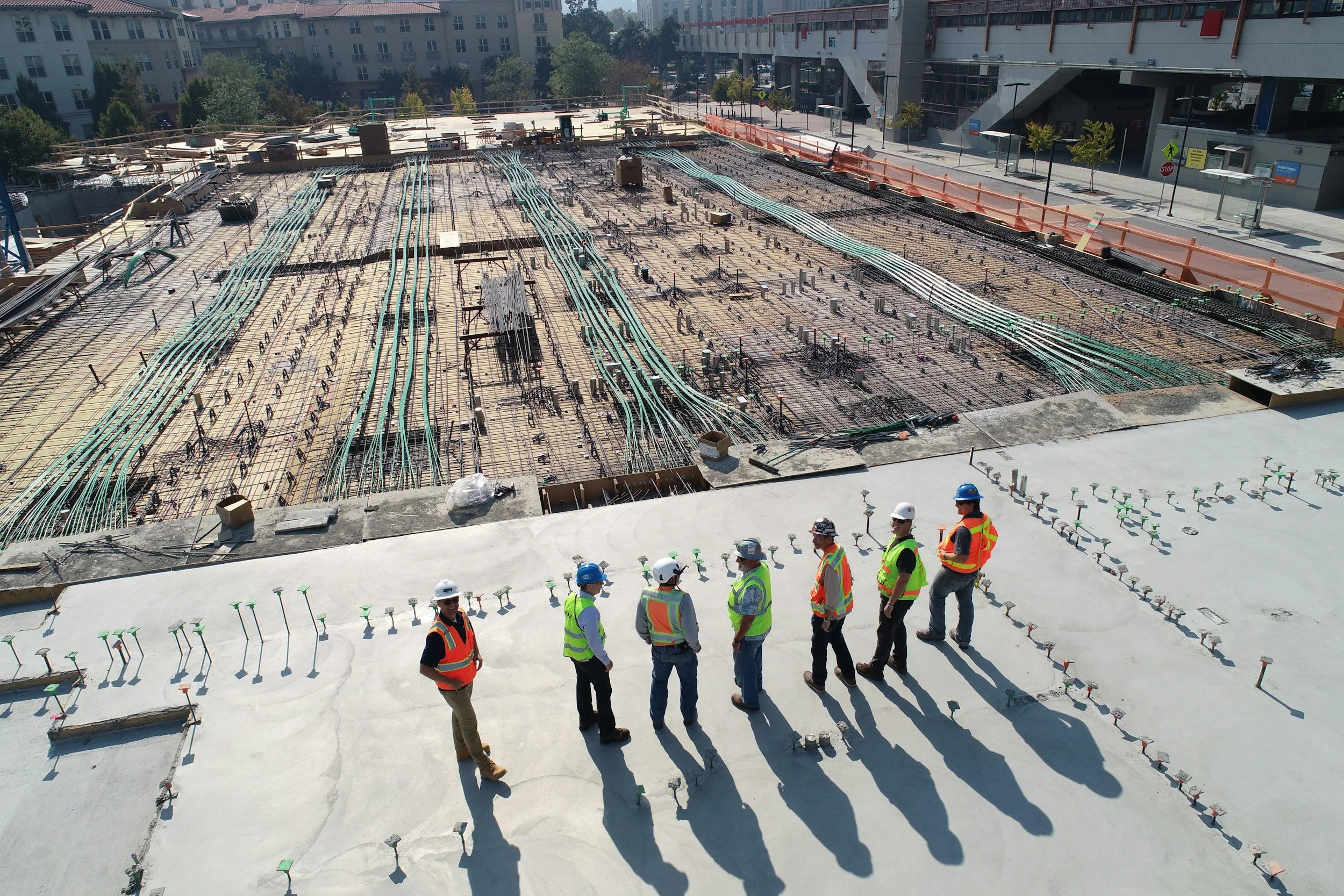
Technology is rapidly transforming many industries, and construction is no exception. Across the UK, digital tools are playing an increasingly important role in how projects are designed, planned and delivered.
From advanced design software to on-site project management apps, technology is helping construction professionals work more efficiently and reduce costly errors.
For builders across Dorset and the South of England, digital construction tools are becoming a valuable part of everyday work.
From drawings to digital models
One of the most significant technological developments in construction is the shift from traditional drawings to digital modelling.
Building Information Modelling, often referred to as BIM, allows architects, engineers and builders to create detailed digital representations of a building before construction begins.
These models include structural information, material specifications and even mechanical systems.
By visualising a project in detail, teams can identify potential issues early and resolve them before work starts on site.
Improving communication on site
Digital tools are also improving communication between construction teams.
Mobile apps allow builders to share drawings, updates and photographs instantly. This helps keep everyone involved in the project aligned and reduces the risk of miscommunication.
For homeowners, digital updates can provide valuable insight into project progress.
Some builders now share visual updates or digital schedules with clients to improve transparency.
Reducing errors and delays
One of the biggest advantages of digital planning is the ability to identify problems before construction begins.
By analysing digital models, designers and builders can detect clashes between structural elements and building systems.
Resolving these issues during the planning stage helps prevent costly changes once construction is underway.
The future of construction technology
While digital tools are already widely used on larger projects, they are becoming more common in residential construction as well.
As technology continues to evolve, builders will have access to increasingly sophisticated tools for planning and managing projects.
For homeowners, this means more efficient builds, better communication and improved accuracy throughout the construction process.