
Why Transitional Spaces Are Becoming Essential in Modern Home Design
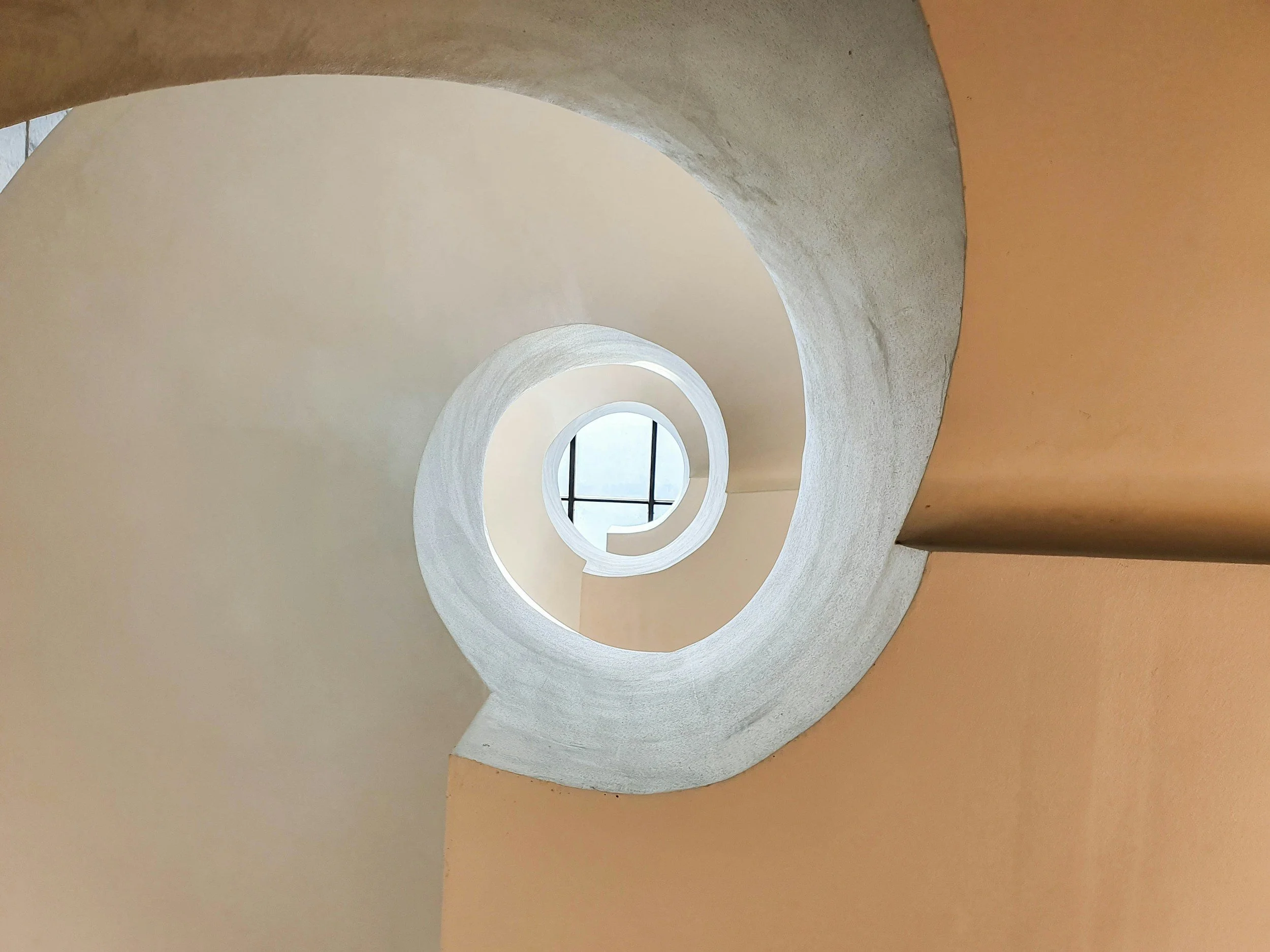
When people think about home design, they often focus on the main rooms. Kitchens, living areas, bedrooms and bathrooms tend to receive the most attention. However, a growing trend in 2026 is the focus on transitional spaces — the areas that connect these rooms.
Across Dorset and the South of England, homeowners are recognising that hallways, landings, corridors and entrances play a crucial role in how a home feels and functions.
What are transitional spaces
Transitional spaces are the areas that link one part of a home to another. They are not always designed for a specific activity, but they influence movement, flow and first impressions.
Traditionally, these areas were treated as purely functional, often left plain or underutilised. Today, they are being designed with the same care as primary living spaces.
Why they matter more now
Modern homes are expected to feel cohesive and well thought out throughout. Poorly designed transitional spaces can disrupt flow, create bottlenecks or make a home feel disjointed.
By contrast, well-designed transitions create a sense of continuity and calm. They guide movement naturally and make spaces feel connected rather than separate.
How homeowners are using these spaces
Transitional areas are now being used more creatively, including
• integrated storage in hallways
• seating areas in wider corridors
• feature lighting to guide movement
• consistent flooring to unify spaces
• built-in joinery for functionality
These additions turn transitional spaces into valuable parts of the home rather than wasted areas.
The role of light and proportion
Lighting plays a key role in transitional design. Natural light, where possible, helps open up spaces, while carefully placed artificial lighting adds warmth and direction.
Proportion is equally important. Narrow or cramped transitions can feel restrictive, while well-sized spaces create a sense of openness.
Why this suits Dorset homes
Many homes across Dorset have layouts that can benefit from improved flow. Reworking transitional spaces often has a significant impact without requiring major extensions.
Builders like Causeway Construction help homeowners identify opportunities to improve these areas as part of wider renovation projects.
The takeaway
Transitional spaces are no longer secondary. They are a key part of modern home design, shaping how a home feels and functions as a whole.