
Why Smaller, Phased Renovation Projects Are Gaining Popularity in 2026
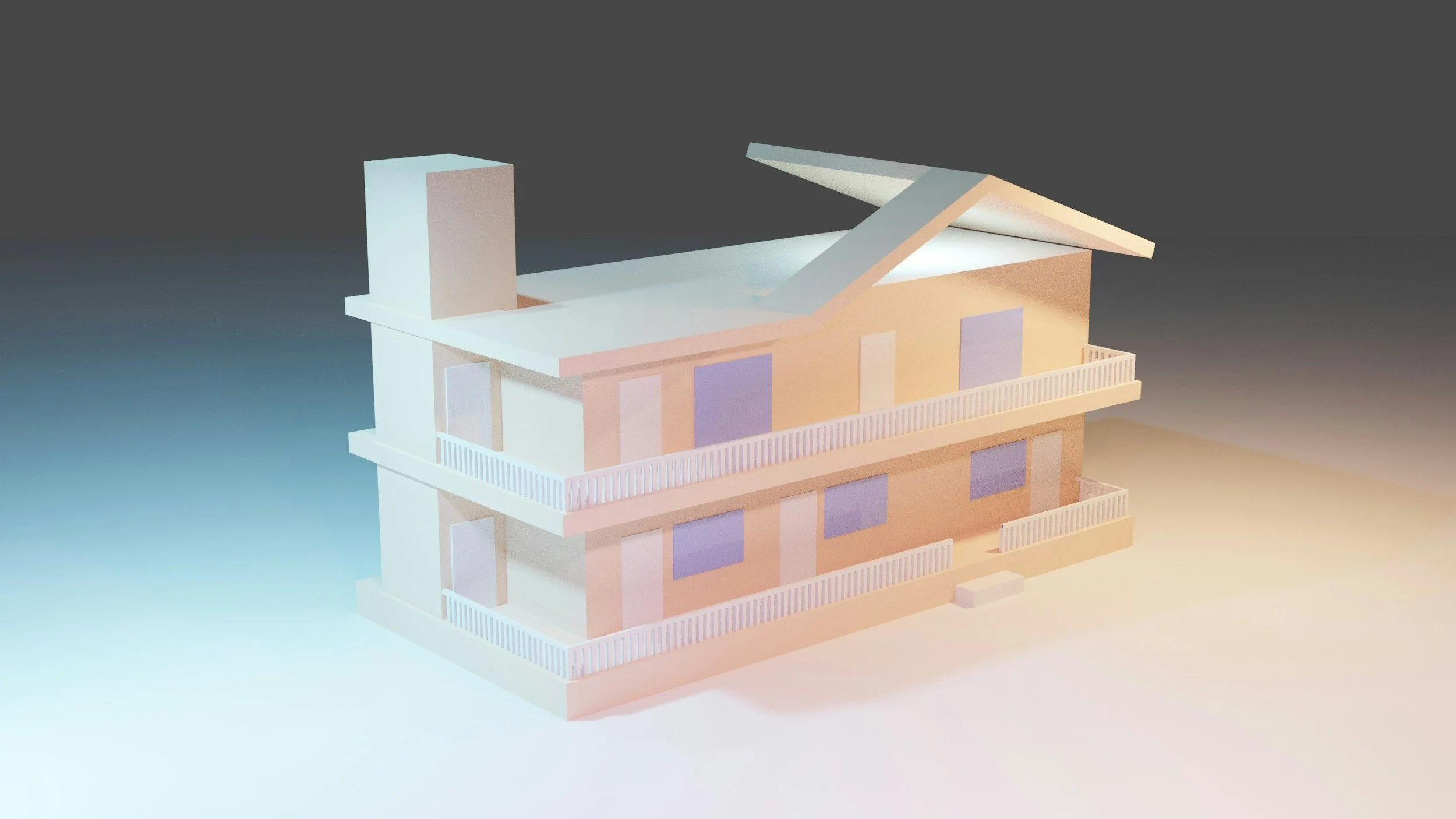
As the construction market continues to evolve, a noticeable trend has emerged across Dorset and the South of England. Rather than committing to large, all-at-once refurbishments, many homeowners are opting for smaller, phased renovation projects spread over time.
This approach allows families to improve their homes gradually, balancing budgets, minimising disruption and adapting plans as needs change. For builders and homeowners alike, it represents a practical and flexible way to manage home improvements.
What is a phased renovation
A phased renovation breaks a larger project into manageable stages. Instead of undertaking all work at once, homeowners prioritise key areas and complete them over months or years.
For example, a family might begin with structural repairs and insulation, move on to a kitchen renovation the following year, and complete an extension or loft conversion later.
This approach is becoming increasingly common across Bournemouth, Poole and Christchurch, where homeowners want to stay in their properties during works.
Why homeowners are choosing this approach
There are several reasons why phased renovations appeal to modern homeowners
• better control over budgets
• reduced disruption to daily life
• flexibility to adapt designs
• time to refine decisions
• ability to respond to changing circumstances
Rather than feeling locked into a single large project, homeowners can reassess priorities at each stage.
How builders support phased projects
Builders like Causeway Construction play a key role in planning phased renovations effectively. Early discussions help identify logical sequences, ensuring that work carried out in one phase does not need to be undone later.
For example, upgrading electrics and plumbing early can prevent rework when kitchens or bathrooms are renovated later. Similarly, structural changes may be planned to accommodate future extensions.
This forward thinking approach ensures that each phase contributes to a cohesive final outcome.
Benefits for long-term quality
Phased projects often result in higher overall quality. Homeowners have more time to research materials, refine layouts and make considered decisions rather than rushing under pressure.
From a construction standpoint, phased work allows builders to maintain focus, manage workloads efficiently and deliver consistent standards across each stage.
A trend suited to Dorset homes
Many homes across Dorset are well suited to phased improvements. Traditional layouts, generous plots and solid construction allow work to be planned incrementally without compromising the integrity of the property.
For coastal homes, phased renovations also allow owners to address weather-related maintenance first, followed by aesthetic improvements later.
The takeaway
Phased renovation projects reflect a more measured approach to home improvement. They offer flexibility, control and long-term value for homeowners who want to enhance their homes without overwhelming disruption.
As 2026 approaches, this trend is expected to grow across the South of England, providing opportunities for thoughtful design and carefully executed construction.