
Why Smaller, Better-Designed Spaces Are Replacing Oversized Rooms
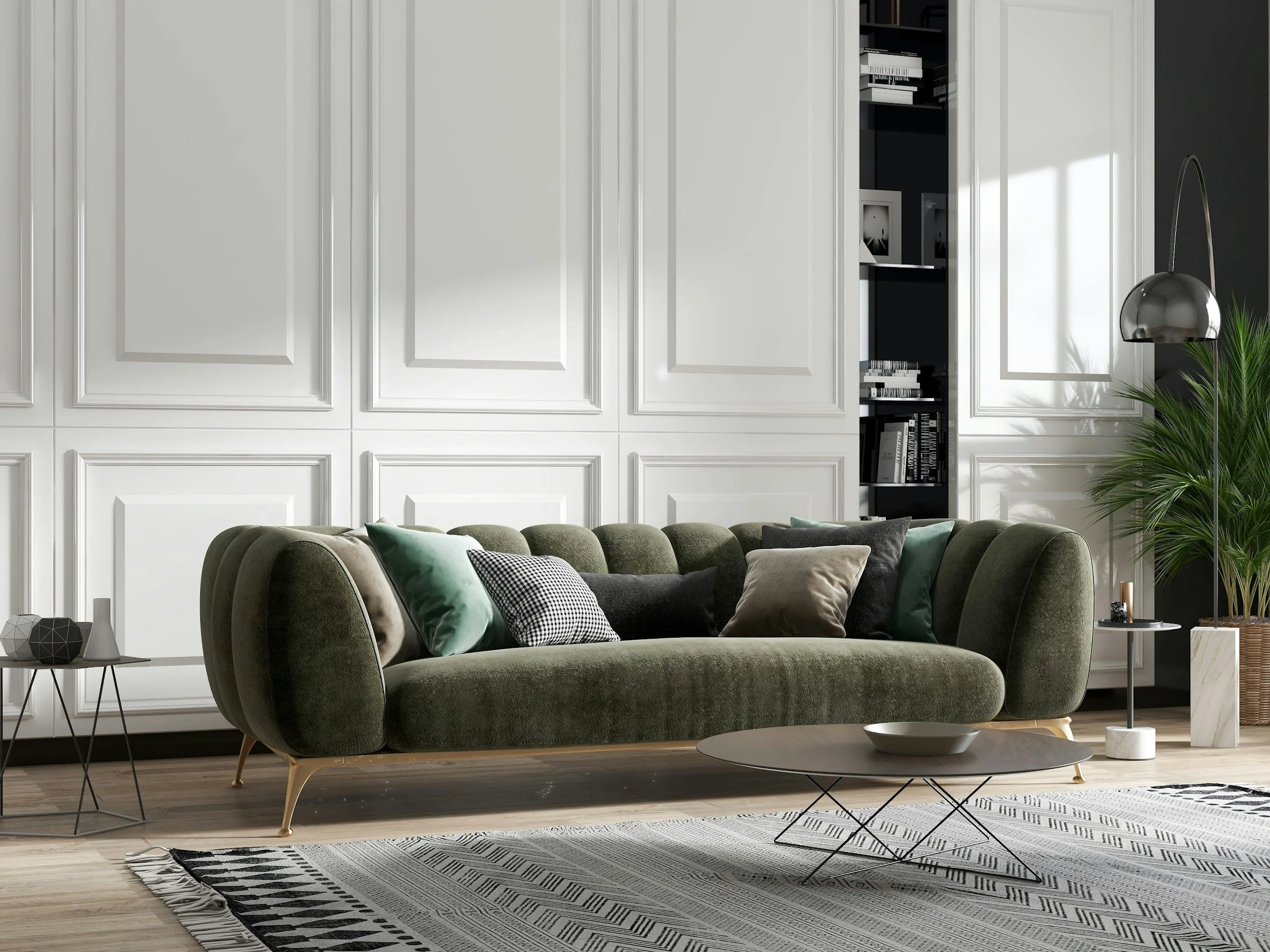
For years, bigger rooms were seen as better rooms. Large open areas became a symbol of modern living. In 2026, that mindset is changing. Across Dorset and the South of England, homeowners are realising that how space is used matters far more than how large it is.
This shift is driving a new wave of design decisions focused on proportion, function, and comfort rather than sheer scale.
Why oversized rooms are losing appeal
Large rooms can feel impressive, but they are not always practical. Heating becomes less efficient, acoustics suffer, and furniture placement can feel awkward. Many homeowners find that oversized spaces lack intimacy and are harder to use day to day.
Smaller, well-proportioned rooms feel calmer and more purposeful. They support specific activities without feeling restrictive.
Design that works harder
Modern design is about making every square metre count. Storage is integrated, circulation is refined, and layouts are planned around real-life routines.
This approach results in homes that feel intuitive rather than overwhelming. Spaces flow naturally, and nothing feels wasted.
Flexibility over size
Smarter layouts allow rooms to adapt over time. A dining area may double as a workspace. A snug can become a guest room. Flexibility is easier to achieve when spaces are clearly defined.
Builders like Causeway Construction increasingly help clients rework layouts to improve usability rather than simply increasing footprint.
Why this suits Dorset homes
Many homes across Dorset are well built but poorly arranged for modern living. Thoughtful reconfiguration can transform how a home feels without extending excessively.
The takeaway
Good design is no longer about bigger spaces. It is about better spaces that support comfort, efficiency, and long-term living.