
Why Practical Layouts Are Taking Priority Over Statement Design in Modern Homes
Design trends in 2026 reflect a noticeable shift in homeowner priorities. Across Dorset and the South of England, people are moving away from bold statement design features and towards layouts that genuinely support everyday living. The focus is no longer on what looks impressive at first glance, but on what works well day after day.
This change has been driven by lifestyle shifts. More people work from home, families spend more time indoors, and homes are expected to support a wider range of activities than ever before. As a result, practicality has become a defining feature of good design.
What practical design really means
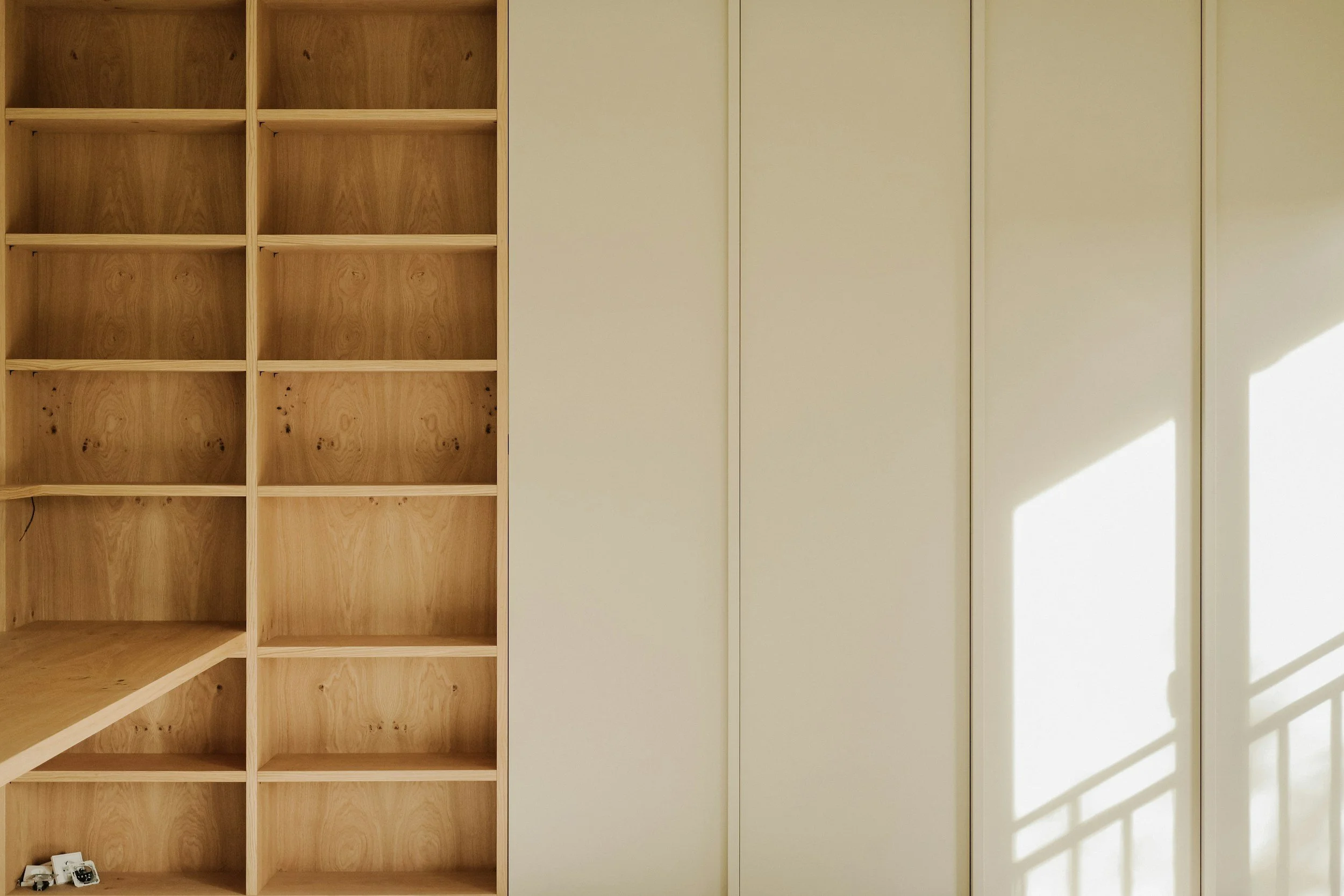
Practical layouts are not about sacrificing style. They are about making thoughtful decisions that improve flow, usability and comfort. This includes sensible room proportions, clear circulation routes, and storage that is integrated rather than added as an afterthought.
Homes designed this way feel easier to live in. Daily routines are smoother, spaces adapt more easily, and clutter is easier to manage.
Why statement design is losing appeal
Statement features often look striking in photographs but can be difficult to live with. Oversized spaces, dramatic finishes or unconventional layouts may impress initially but can become impractical over time.
Homeowners are becoming more aware of this, especially when investing significant sums into renovations or extensions. Longevity and adaptability now matter more than impact alone.
How layouts are evolving
Modern layouts still embrace openness, but with more structure. Kitchens flow into living spaces, but zones are clearly defined. Entrances include proper storage. Utility areas are designed as working spaces rather than hidden corners.
Builders like Causeway Construction increasingly work with clients to refine layouts based on how the home will actually be used, not just how it will look on completion day.
The long-term benefit
Homes designed around practical layouts age better. They adapt to changing family needs, support daily routines, and remain comfortable long after trends move on.