
Why Neighbour Considerations Are Playing a Bigger Role in Residential Construction Projects
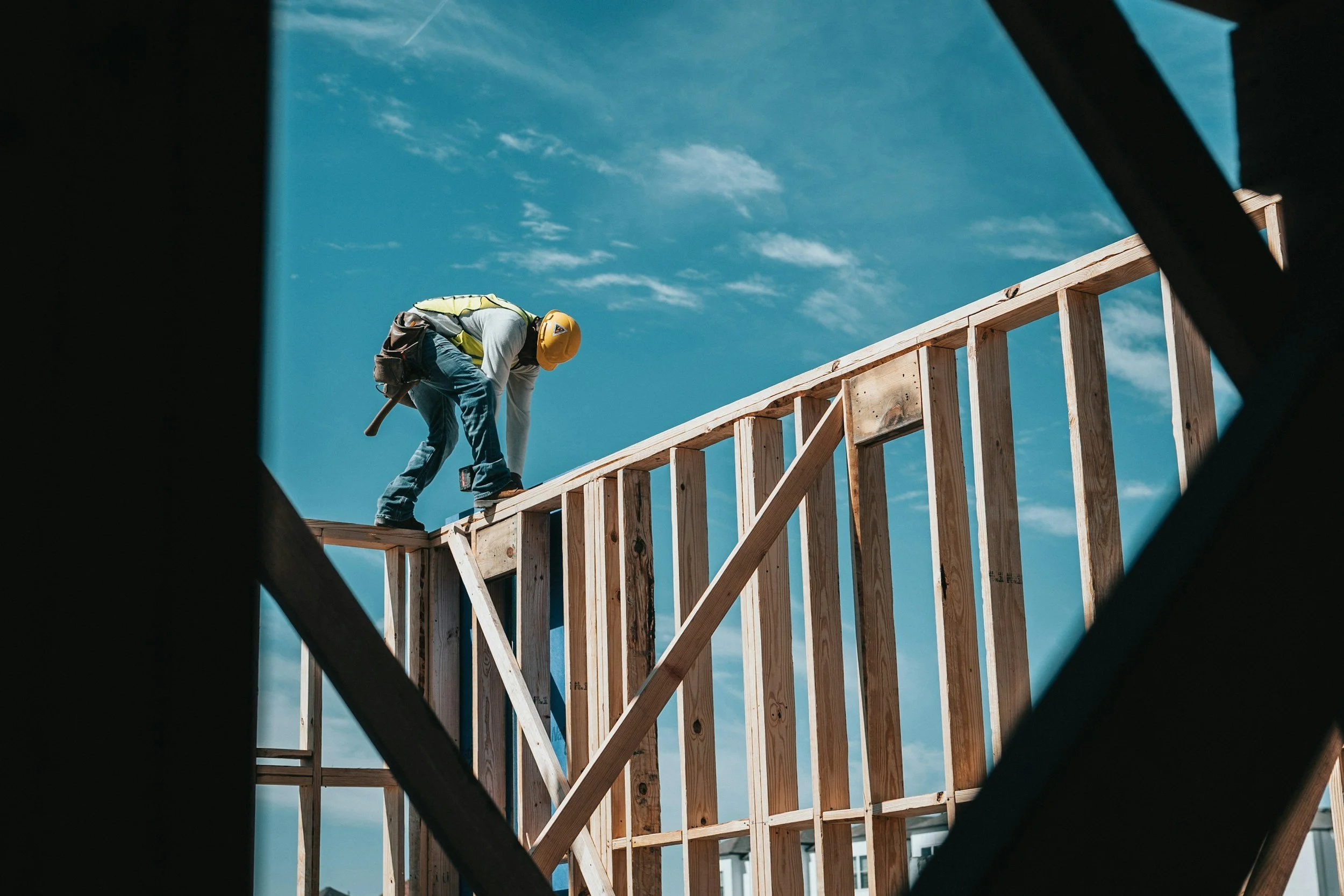
Residential construction does not happen in isolation. As home renovation and extension projects increase across Dorset, Bournemouth, Poole and Christchurch, the relationship between a construction site and its surrounding neighbours has become more important than ever. In 2026, neighbour considerations are no longer just a courtesy. They are a critical part of how successful projects are planned and delivered.
For homeowners, understanding this aspect of construction can help prevent disputes, delays and unnecessary stress. For builders, careful neighbour management has become an essential professional responsibility.
Why neighbour considerations are becoming more important
Many residential projects now take place in densely populated areas. Homes are closer together, access routes are shared, and parking is often limited. Extensions, refurbishments and structural works can impact nearby properties through noise, dust, deliveries and temporary loss of access.
At the same time, planning authorities are paying closer attention to how developments affect neighbouring homes. Issues such as overlooking, loss of light, drainage changes and boundary works are all carefully assessed.
As a result, builders and homeowners must approach neighbour relationships proactively rather than reactively.
What neighbour considerations actually involve
Managing neighbour impact goes far beyond simply informing people that work is taking place. It involves careful planning, communication and site management throughout the project.
Key considerations include
• access routes for deliveries and trades
• working hours and noise management
• protection of shared boundaries
• scaffolding placement
• drainage and runoff control
• safeguarding neighbouring structures
Builders like Causeway Construction plan these elements early, often before work even begins on site.
The role of early communication
One of the most effective ways to prevent issues is early communication. Informing neighbours about upcoming work, timelines and potential disruption helps set expectations and reduce misunderstandings.
Homeowners are often surprised by how much smoother projects run when neighbours feel informed rather than excluded. Simple measures such as advance notice of deliveries or noisy works can make a significant difference.
Party wall considerations
In many residential projects, particularly terraced or semi-detached homes, party wall agreements may be required. These legal agreements protect both homeowners and neighbours by setting out how works will be carried out near shared structures.
Experienced builders work alongside surveyors to ensure party wall requirements are met and respected. This protects all parties and reduces the risk of disputes later.
Why this matters for homeowners
Neighbour-related delays can be costly and stressful. Disputes may halt work, require legal intervention or lead to redesigns. By choosing a builder who understands neighbour management, homeowners significantly reduce these risks.
Good neighbour consideration also reflects professionalism. It demonstrates that a project is being handled responsibly, safely and with respect for the surrounding community.
Why this is especially relevant in Dorset
Many Dorset homes are located in established residential areas with close boundaries and shared access. Coastal towns such as Bournemouth and Poole also present logistical challenges due to narrow roads and parking restrictions.
Managing neighbour impact in these environments requires experience, planning and local knowledge.
The takeaway
Neighbour considerations are now a core part of residential construction. Successful projects are not just about what is built, but how it is built within its surrounding environment. Thoughtful planning, communication and professional site management help ensure projects progress smoothly and relationships remain positive.