
Why More Homeowners Are Upgrading Insulation During Renovations in 2026
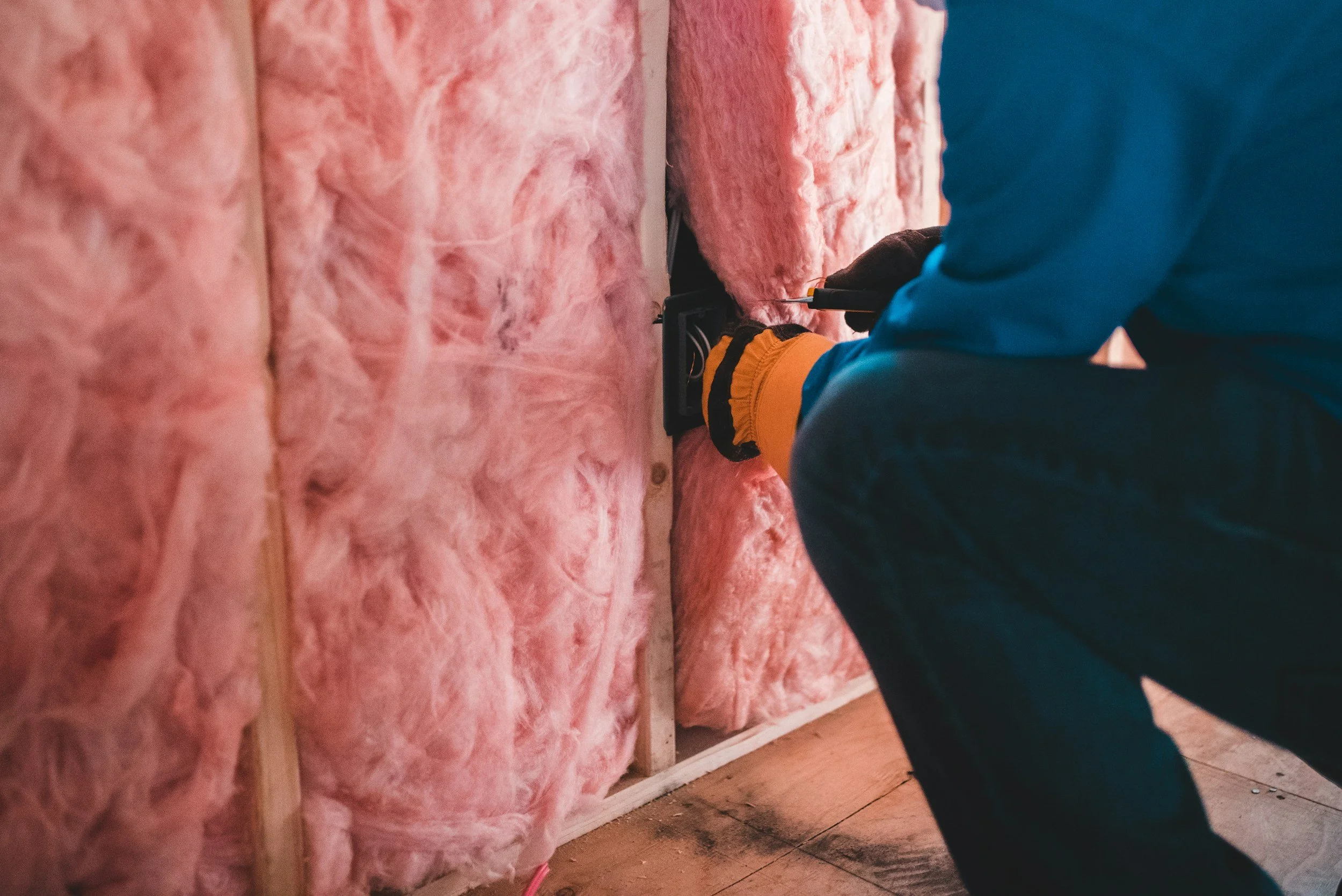
In recent years, insulation has moved from being a hidden technical detail to a central consideration in home renovation projects. Across Dorset and the South of England, more homeowners are choosing to upgrade insulation whenever they renovate, extend, or reconfigure their homes. By 2026, this approach is becoming standard practice rather than an optional extra.
This shift reflects rising energy costs, changing expectations around comfort, and a growing understanding of how insulation affects long-term performance. For builders like Causeway Construction, insulation upgrades are now a core part of renovation planning rather than a secondary conversation.
Why insulation is no longer an afterthought
Traditionally, insulation upgrades were often postponed unless a full retrofit was planned. Homeowners focused on visible improvements such as kitchens, bathrooms and finishes, leaving insulation untouched. That mindset has changed.
Many homeowners now realise that without good insulation, even the most beautifully finished space can feel cold, drafty and expensive to heat. Renovations provide the ideal opportunity to improve insulation while walls, floors or roofs are already being opened up.
Across Bournemouth, Poole and Christchurch, clients increasingly ask about insulation options early in the design process.
The comfort factor
One of the main drivers behind insulation upgrades is comfort. Proper insulation helps maintain stable indoor temperatures, reduces drafts and improves acoustic performance. Homes feel warmer in winter and cooler in summer, which is particularly valuable in coastal areas exposed to wind.
For families living in older Dorset properties, improved insulation can dramatically change how a home feels day to day. Rooms become more usable year round, and heating systems work more efficiently.
Energy efficiency and rising costs
Energy costs remain a concern for homeowners across the South of England. Insulation upgrades help reduce heat loss, lowering energy consumption and ongoing bills. When combined with modern heating systems and better glazing, insulation forms the foundation of an efficient home.
Homeowners planning renovations in 2026 are increasingly viewing insulation as an investment rather than an expense. While there is an upfront cost, the long-term savings and improved living conditions make it worthwhile.
Common insulation upgrades during renovations
Builders regularly incorporate insulation improvements such as
• upgraded loft insulation
• internal wall insulation during refurbishments
• insulated floors during ground floor works
• improved cavity wall insulation where suitable
• thermal upgrades around extensions and openings
These improvements are often integrated seamlessly into renovation work, minimising disruption and maximising benefit.
Why this trend suits Dorset homes
Dorset’s housing stock includes many solid wall properties, older bungalows and family homes built before modern insulation standards. Renovations provide an ideal opportunity to bring these homes closer to current performance expectations.
For builders like Causeway Construction, careful insulation planning ensures homes are upgraded sensitively without compromising character or structural integrity.
The takeaway
Upgrading insulation during renovations is becoming the norm rather than the exception. For homeowners across Dorset and the South of England, this approach delivers better comfort, lower running costs and homes that perform well for decades to come.