
Why Homeowners Are Commissioning More Pre-Construction Surveys in 2026
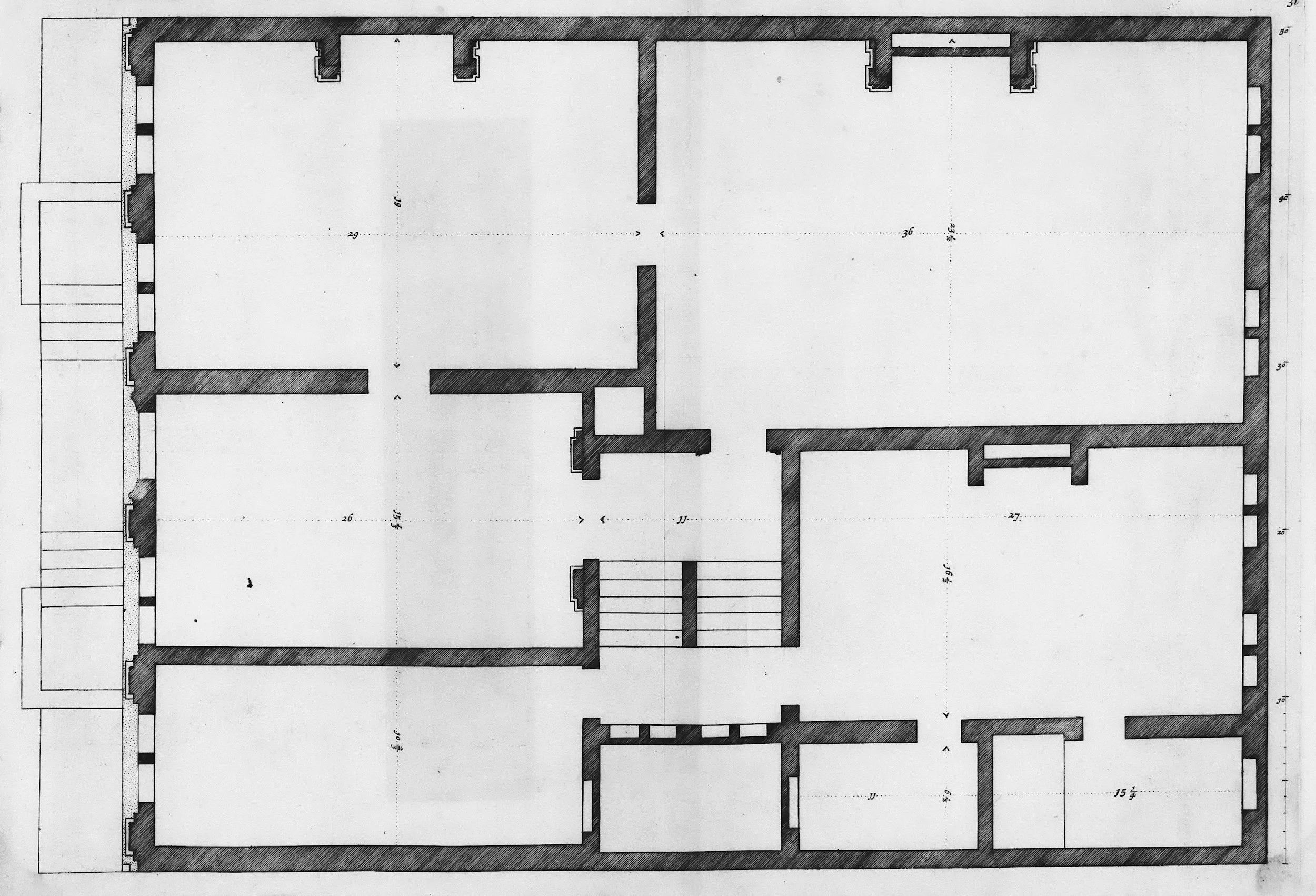
In recent years, there has been a noticeable shift in how homeowners approach renovation and extension projects. Across Dorset and the wider South of England, more people are choosing to commission pre-construction surveys before work begins. This change reflects a growing awareness that careful preparation leads to smoother projects, fewer surprises, and better long-term results.
Pre-construction surveys are not a new concept, but they are becoming far more common as homeowners plan larger, more complex renovations. Rather than relying solely on visual inspections or assumptions about an existing property, clients want clear, professional insight into what lies beneath the surface.
For builders like Causeway Construction, this trend supports better planning and more accurate project delivery from the outset.
What is a pre-construction survey
A pre-construction survey is a professional assessment carried out before building work begins. It can include structural surveys, condition reports, drainage inspections, asbestos surveys, and in some cases soil or ground investigations. The exact scope depends on the age of the property and the type of work planned.
The purpose is to identify potential issues early, such as structural weaknesses, moisture problems, hidden defects, or previous alterations that may not meet current standards. These surveys help ensure that the design and construction process is based on accurate information rather than assumptions.
Why surveys are becoming more common in Dorset
Many homes across Dorset, Bournemouth, Poole and Christchurch were built decades ago. While often solid, these properties have typically undergone multiple changes over the years. Extensions, conversions and repairs may have been carried out to varying standards, sometimes without detailed records.
Coastal conditions also play a role. Properties near the sea are exposed to wind, salt and moisture, which can affect materials over time. Issues such as corrosion, damp ingress or timber degradation may not be obvious until walls or floors are opened up.
By commissioning surveys early, homeowners reduce the risk of unexpected discoveries once work is underway.
The impact on project planning and costs
One of the biggest benefits of pre-construction surveys is cost certainty. Identifying issues early allows builders to factor necessary work into the initial scope, rather than dealing with changes mid-project.
Unexpected problems can cause delays, require design changes and increase costs. Surveys help minimise these risks by allowing time for proper planning and informed decision-making.
From a builder’s perspective, surveys provide clarity. They allow teams like Causeway Construction to sequence work efficiently, order the right materials and coordinate trades more effectively.
When surveys are especially important
While surveys can benefit almost any project, they are particularly valuable for
• extensions involving structural alterations
• loft conversions
• older properties
• homes with a history of movement or damp
• major refurbishments
• properties with unclear building records
In these cases, early investigation can make the difference between a smooth build and a challenging one.
A smarter approach to building
The rise in pre-construction surveys reflects a more thoughtful approach to home improvement. Homeowners are increasingly treating renovations as long-term investments rather than short-term projects.
This mindset aligns closely with the values of quality builders. Clear information, realistic expectations and good communication create the foundation for successful projects and satisfied clients.
The takeaway
Commissioning surveys before construction begins is becoming standard practice for well-planned renovation projects. Across Dorset and the South of England, homeowners are recognising the value of preparation and professional insight.
For anyone planning work in 2026, early surveys offer peace of mind, better budgeting and a smoother path from design to completion.