
UK Workforce & Skills Shaping Construction in 2026
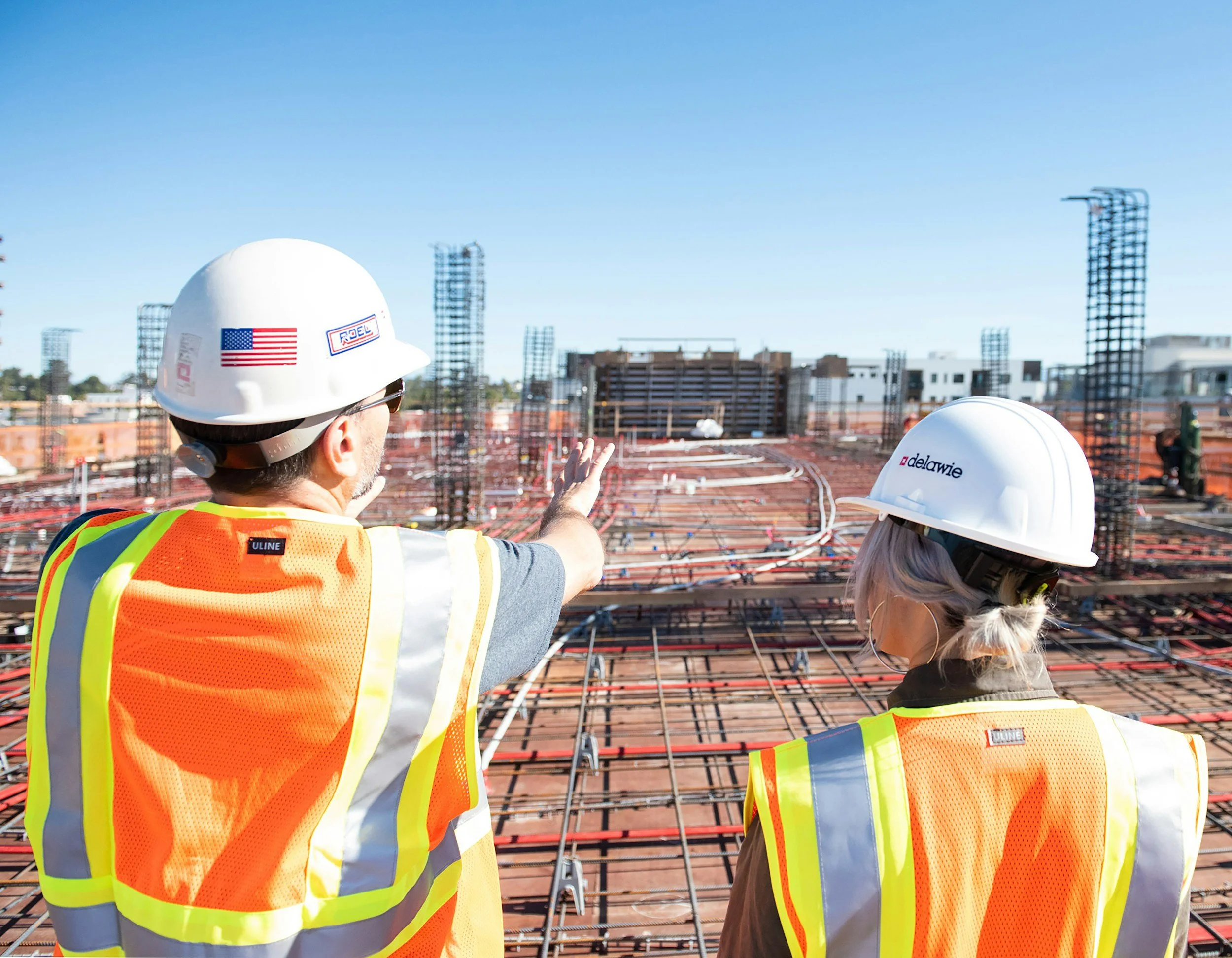
As the UK construction industry evolves in 2026, technology, sustainability targets and shifting work patterns are reshaping the workforce. Industry experts note that new skill sets are being prioritised alongside traditional trade expertise.
This shift has implications for residential builders across Dorset and the South of England, influencing how teams are built, how projects are delivered, and how homeowners engage with experienced professionals.
Why skills matter now more than ever
The construction sector’s move toward digital tools, sustainability practices and automation requires new training, certification and collaboration models. Builders need not only traditional craftsmanship but also familiarity with digital planning software, sustainability standards, and modern on-site technologies.
Apprenticeships and reskilling
To meet these challenges, many firms are investing in apprenticeship programmes and hybrid training that blends trade skills with digital literacy. This approach supports long-term workforce resilience and helps build teams capable of delivering high-quality work across design, planning, and execution.
Digital adoption and the construction site
Digital planning tools, BIM modelling, and project management apps are increasingly common on site. These tools enhance coordination and quality control, but they require a workforce that can adopt and leverage new systems effectively — a trend driving training investment in 2026.
What this means for homeowners
For clients in Dorset, this trend means builders are better equipped to
• manage complex renovations
• communicate plans clearly using visual tools
• anticipate challenges before they arise
• ensure compliance with sustainability and building standards
Looking forward
As the industry evolves, builders that support a skilled, adaptable workforce will be best placed to deliver reliable results for homeowners — particularly when projects involve advanced planning, sustainability targets, or digital coordination.