
UK Retrofit Workforce Expansion Plans Announced for 2026
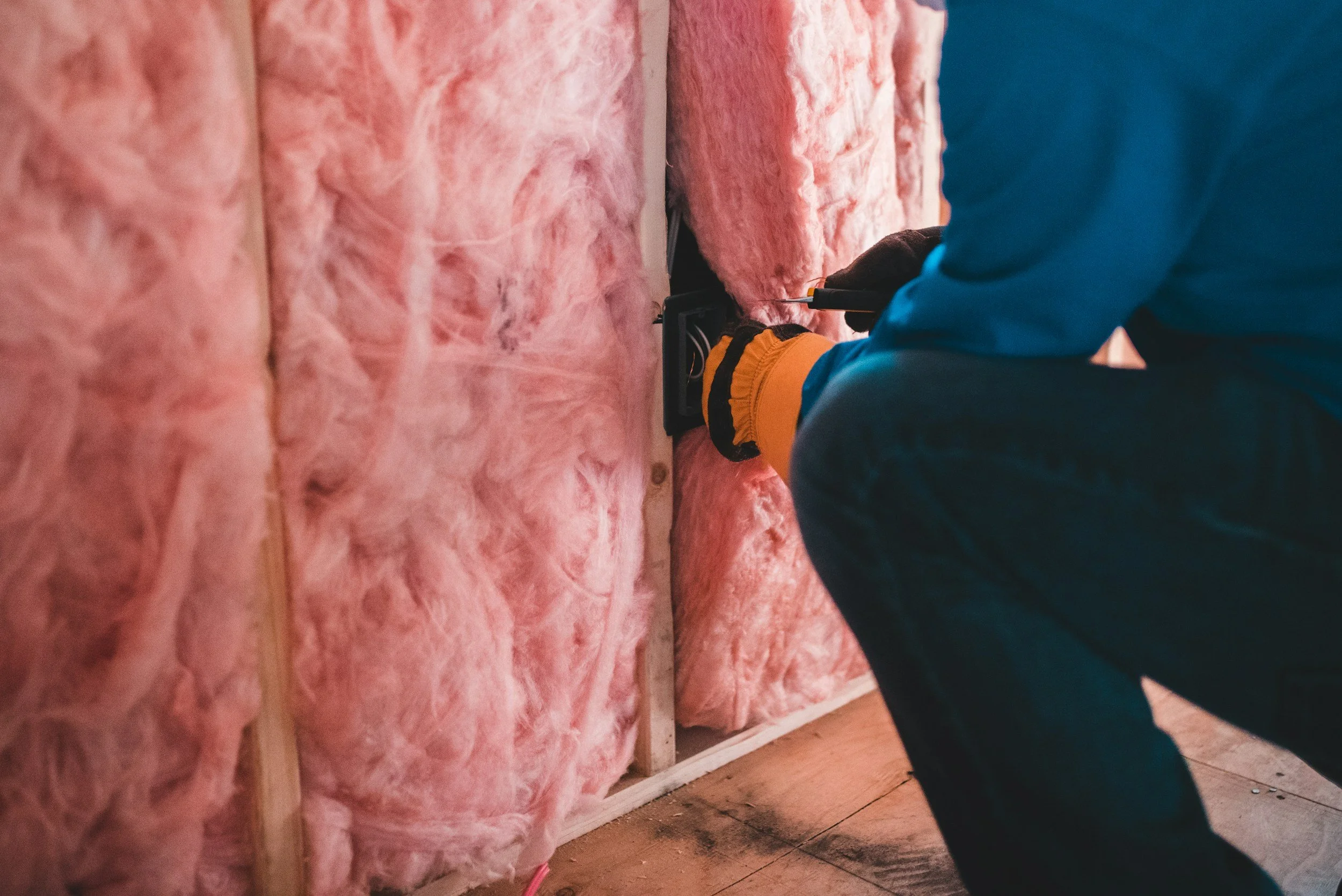
With energy efficiency targets becoming more ambitious each year, the Government and major industry bodies have announced a coordinated plan to expand the UK’s retrofit workforce in 2026. This development has significant implications for homeowners and builders across Dorset, Bournemouth, Poole, Christchurch and the wider South of England, where insulation upgrades, heat pump installations and whole-home retrofits are becoming more common.
Retrofit work involves improving existing homes to reduce heat loss, lower energy bills and prepare properties for low-carbon heating. Demand has grown sharply since the introduction of the Future Homes Standard, yet the construction sector continues to face a lack of qualified retrofit specialists. This new expansion plan aims to close that gap.
Why the retrofit workforce needs rapid growth
The UK has some of the oldest and least energy-efficient housing stock in Europe. Many properties along the South Coast were built between the 1930s and 1990s, long before modern insulation standards were introduced. Retrofitting these homes with new insulation, airtightness measures, upgraded glazing and efficient heating is essential for reaching national carbon goals.
However, retrofit work requires specialised skills. Installers need to understand how materials interact with older buildings, how moisture behaves inside a property and how different systems influence each other. A traditional builder or heating engineer may not always have this training.
Industry experts estimate that over 400,000 trained retrofit workers will be needed by 2030. The Government’s new plan seeks to accelerate training, introduce funding for local colleges and create clearer pathways into retrofit careers.
What is included in the expansion programme?
The programme is expected to focus on several key areas
• investment in training courses for insulation, heat pumps and airtightness
• expansion of retrofit assessor and coordinator qualifications
• local partnerships between councils, builders and colleges
• funding support for apprenticeships and upskilling existing trades
• digital tools to improve assessment and monitoring of retrofit performance
This is not simply an academic initiative. It is a practical solution to increase the number of installers capable of delivering high quality upgrades to homes across the UK.
How this affects homeowners in Dorset and the South Coast
For homeowners in Dorset, Bournemouth and Poole, the expansion is good news. Many residents have older homes that lose heat quickly or rely on outdated heating systems. As more trained installers become available, retrofit work should become more accessible, more competitively priced and easier to schedule.
Upgrades such as internal wall insulation, new windows, draught proofing and heat pump installation can dramatically reduce energy bills. They also improve comfort, especially in coastal areas where wind exposure can make homes feel colder.
With more trained professionals available, homeowners will have greater confidence that work is being carried out correctly and safely.
Why builders should take notice
For construction companies such as Causeway Construction, the expansion of the retrofit workforce represents a major opportunity. Many clients now combine renovation work with energy upgrades, especially when extending or reconfiguring their home. Builders who understand retrofit principles can offer more comprehensive services and support clients through the entire improvement process.
Improved access to training programmes also gives local builders the chance to add new skills to their teams, futureproofing their business for the next decade of construction demand.
The future of retrofit in the South of England
With high energy costs, growing environmental awareness and the unique characteristics of coastal homes, retrofit demand across the South Coast is expected to rise steadily. The Government’s plan to expand the workforce is a crucial step toward making this transition possible.
If the programme rolls out successfully, 2026 could be a turning point for how quickly and confidently homeowners in Dorset can upgrade their properties.