
South Coast Housing Refurbishment Market Strengthens as Older Homes Reach Upgrade Cycles
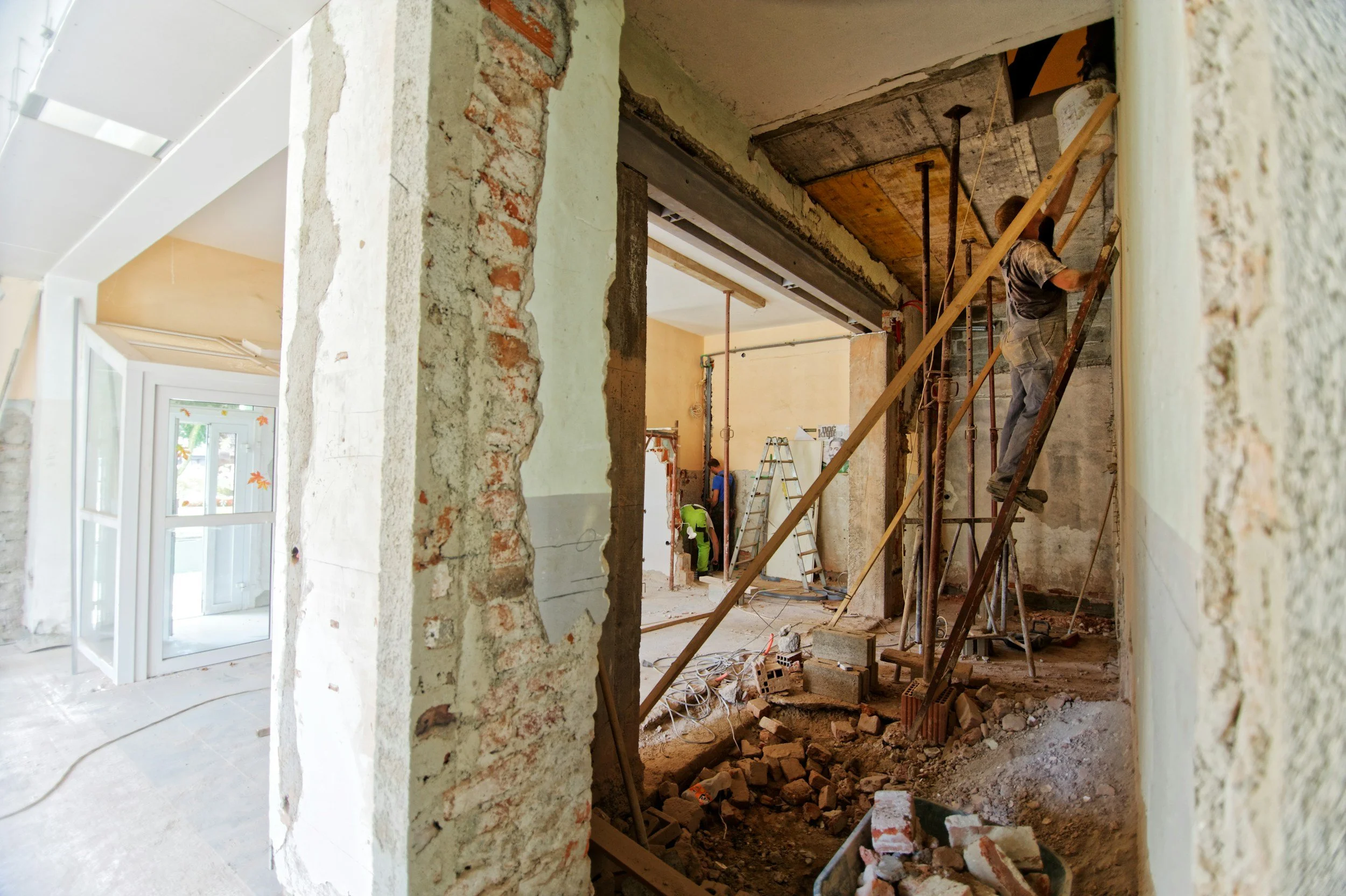
The South Coast’s Refurbishment Market Is Strengthening
A new wave of demand is taking hold across the South Coast as homes built in the 1970s, 1980s and 1990s reach the point where major refurbishment becomes necessary. This shift is creating a strong and steady renovation market, particularly across Dorset, Bournemouth, Poole and Christchurch, where large numbers of family homes were built during this period.
Unlike the boom and bust cycles of new-build construction, refurbishment demand is more predictable. Homes naturally reach a point where bathrooms, kitchens, roofs, windows and heating systems require renewal. With more properties entering this stage at the same time, builders are seeing increased enquiries for full refurbishments, layout improvements and energy upgrades.
Why mid-century and late-century homes are now due for modernisation
Properties built before the early 2000s often suffer from
• outdated heating systems
• poor insulation and draft issues
• worn or ageing kitchens and bathrooms
• inefficient windows or doors
• dated interior layouts not suited to modern living
• tired electrics and plumbing
These homes were solidly built, but many were designed for a different era. Families today want open plan layouts, efficient heating, more natural light and improved energy performance.
As a result, homeowners across the South Coast are choosing renovation over relocation.
How this trend affects Dorset homeowners
Many Dorset neighbourhoods built in the seventies and eighties are now seeing a transformation. Homeowners are taking the opportunity to
• open up walls to create larger kitchens
• add extensions with better lighting
• upgrade insulation and glazing
• modernise bathrooms
• convert garages or lofts
• improve heating and ventilation systems
These changes improve comfort while also increasing the value of the home.
Since the cost of moving home remains high, investing in a full refurbishment often makes more financial sense. The South Coast’s desirable location also encourages homeowners to improve rather than relocate.
What this means for local builders
For companies like Causeway Construction, this refurbishment cycle offers long-term stability. Unlike new-build projects, which can fluctuate due to economic pressures, refurbishment remains steady as homes simply reach natural upgrade milestones.
Builders who specialise in both structural work and modern energy efficiency improvements are in a strong position to deliver the full scope of what these homes now require.
The opportunity is particularly strong for
• kitchen and bathroom redesign
• open plan reconfiguration
• insulation and retrofit upgrades
• garage conversions
• complete property refresh projects
Why refurbishment demand will continue to grow
Several factors point to sustained demand
• homeowners are staying put longer than previous generations
• planning rules make extensions more appealing than moving
• energy costs encourage insulation and heating upgrades
• multigenerational living is becoming more common
With more families needing adaptable living spaces, many homes built thirty to fifty years ago require rethinking and redesigning for modern life.
The opportunity for the South Coast
The South Coast has a large stock of family homes in need of updates. As renovation becomes more accessible and more homeowners choose to improve rather than move, refurbishment will remain one of the strongest sectors in the regional construction market.
Builders who invest in quality craftsmanship, efficient project management and integrated energy upgrades are best placed to meet rising expectations.