
Open Plan Living Revisited: How Homes Are Creating Zones Without Walls
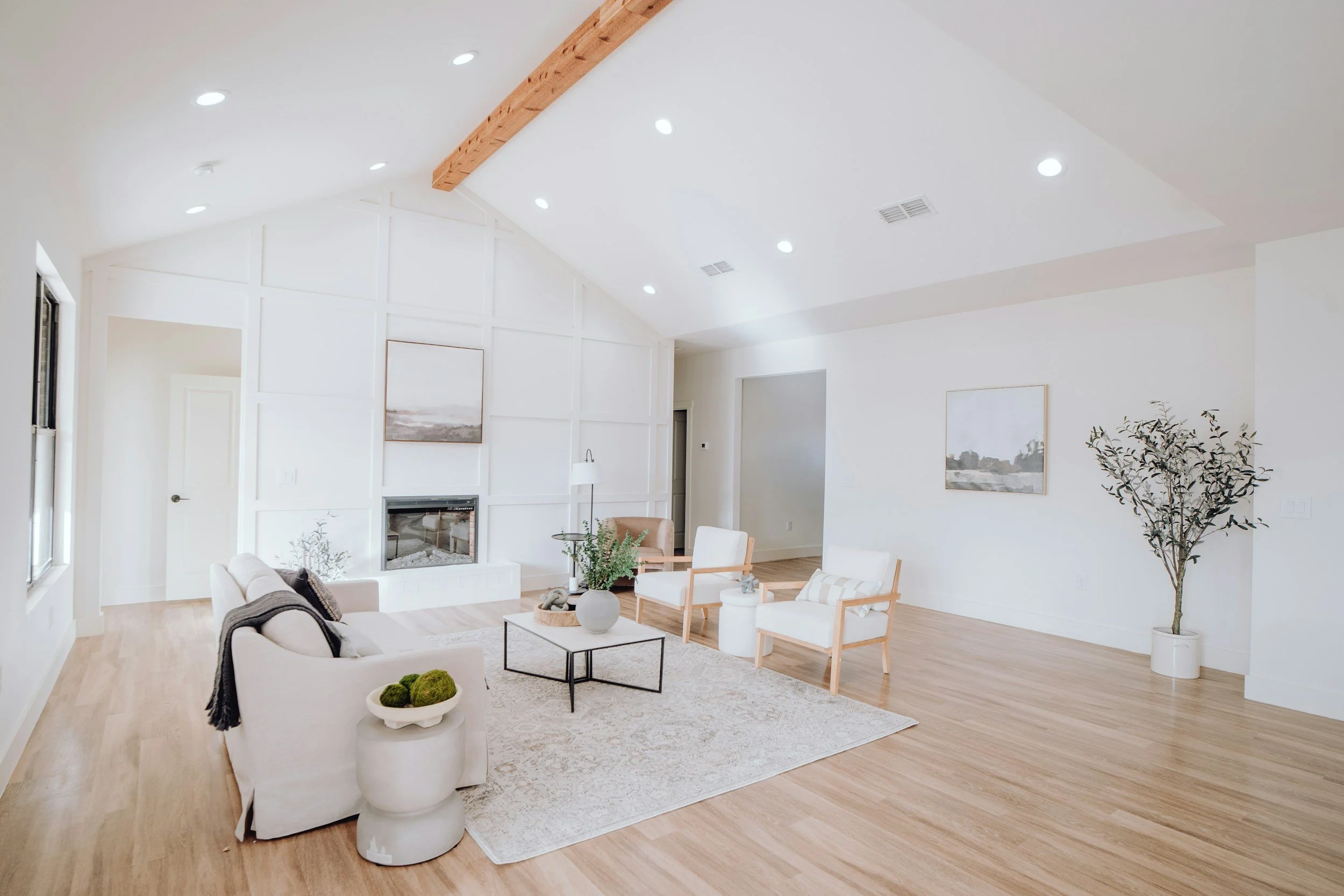
Open plan living has been a dominant design choice for many years, but by 2026 it is evolving into something more refined. Rather than vast, undefined spaces, homeowners across Dorset and the South of England are creating open layouts that feel structured, purposeful and comfortable.
The focus has shifted toward zoning without walls, allowing spaces to flow while still serving distinct functions.
Why open plan layouts are changing
Early open plan designs often prioritised space over practicality. Large areas looked impressive but could feel noisy, cluttered or difficult to use day to day.
Homeowners are now seeking balance. They want openness combined with comfort, privacy and functionality.
How zoning works without walls
Zoning uses design elements to define areas within an open space. Common methods include
• changes in flooring materials
• varied ceiling heights or treatments
• lighting zones
• built-in joinery
• furniture placement
These elements subtly separate spaces without blocking light or movement.
Lighting as a zoning tool
Lighting plays a major role in modern open plan design. Different lighting schemes can define kitchen, dining and living areas within one space.
Pendant lights over dining tables, task lighting in kitchens and softer ambient lighting in living areas help create distinct moods while maintaining cohesion.
Flooring and ceiling details
Using different flooring materials or patterns can visually separate zones. Similarly, ceiling details such as beams or recessed sections help break up large spaces.
Builders like Causeway Construction work closely with designers to integrate these features seamlessly.
Why this suits Dorset homes
Dorset homes often benefit from natural light and generous plots. Zoned open plan layouts maximise these advantages while creating spaces that work for real life.
This approach suits family living, entertaining and home working, all without sacrificing comfort.
The takeaway
Open plan living is no longer about removing every wall. It is about creating flexible, well-defined spaces that support modern lifestyles while maintaining openness and flow.