
Designing Homes That Feel Good to Live In, Not Just Good to Look At
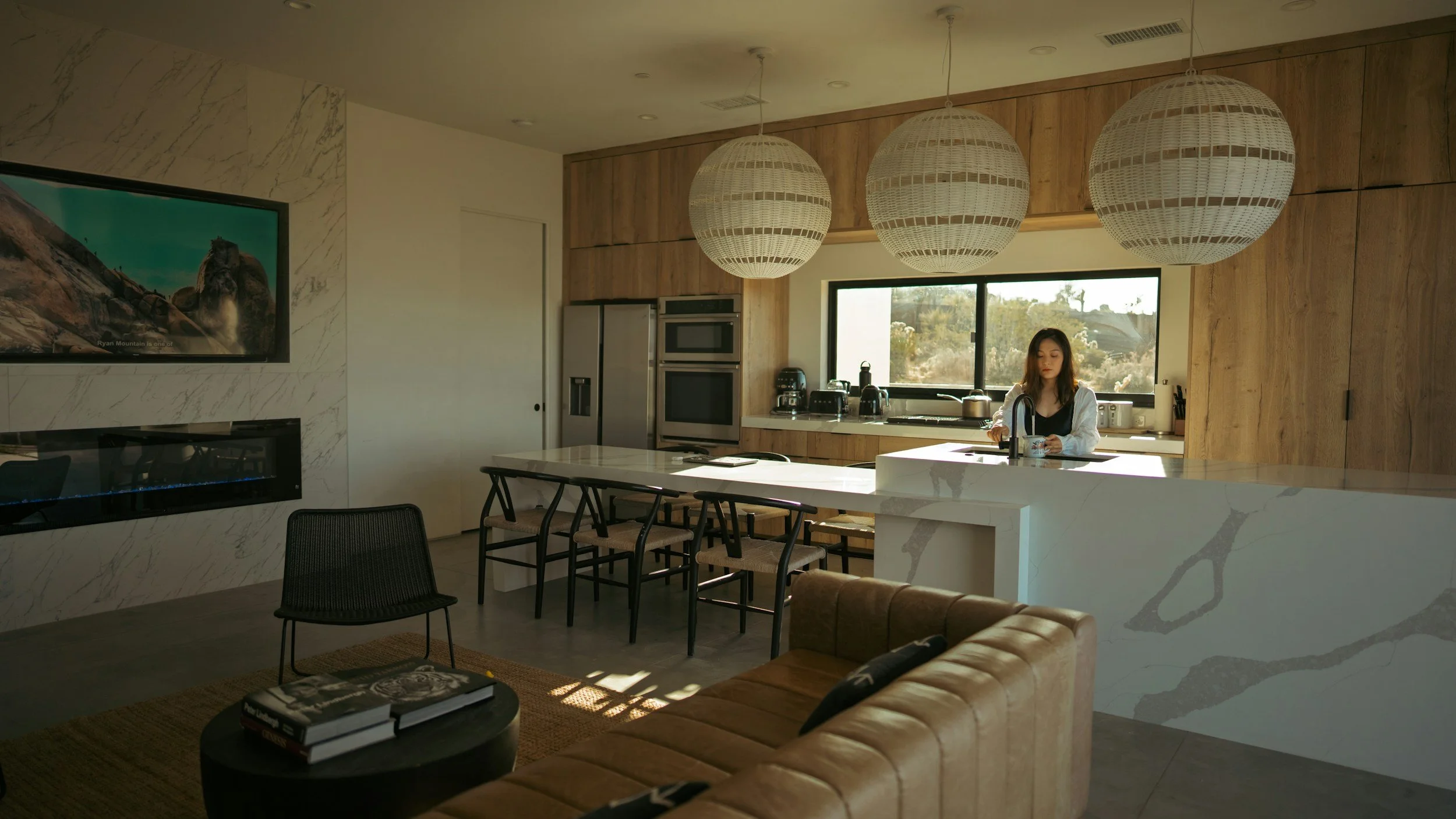
Home design is increasingly moving beyond appearance alone. Across Dorset and the South of England, homeowners are prioritising how spaces feel to live in day to day, not just how they photograph or look on completion day.
This shift is influencing layouts, material choices, lighting decisions, and even how rooms are proportioned. In 2026, good design is measured by comfort, usability, and how a home supports everyday life.
Comfort as a design principle
Comfort now sits at the heart of many renovation and extension projects. This includes acoustic comfort, thermal comfort, and visual calm. Thoughtful insulation, considered lighting, and sensible layouts all contribute to spaces that feel balanced and welcoming.
Homes that feel comfortable encourage people to spend more time in them, rather than constantly adapting or compensating for poor design choices.
Flow and usability
Designing for real life means considering how people move through a home. Clear circulation routes, practical storage, and logical room relationships all play a role. Open spaces still matter, but so does the ability to retreat, focus, or relax without disruption.
Builders like Causeway Construction see increasing demand for designs that support flexible living rather than rigid trends.
Materials that support wellbeing
Natural materials such as timber, stone, and textured finishes are popular not just for their appearance, but for how they make spaces feel. These materials age well, reduce visual noise, and create warmth without relying on bold styling.
Why this matters long term
Homes designed around comfort and usability age better. They remain enjoyable to live in even as lifestyles change, making them a stronger long-term investment.