
Why Structural Surveys Are Increasing Ahead of Renovations in 2026
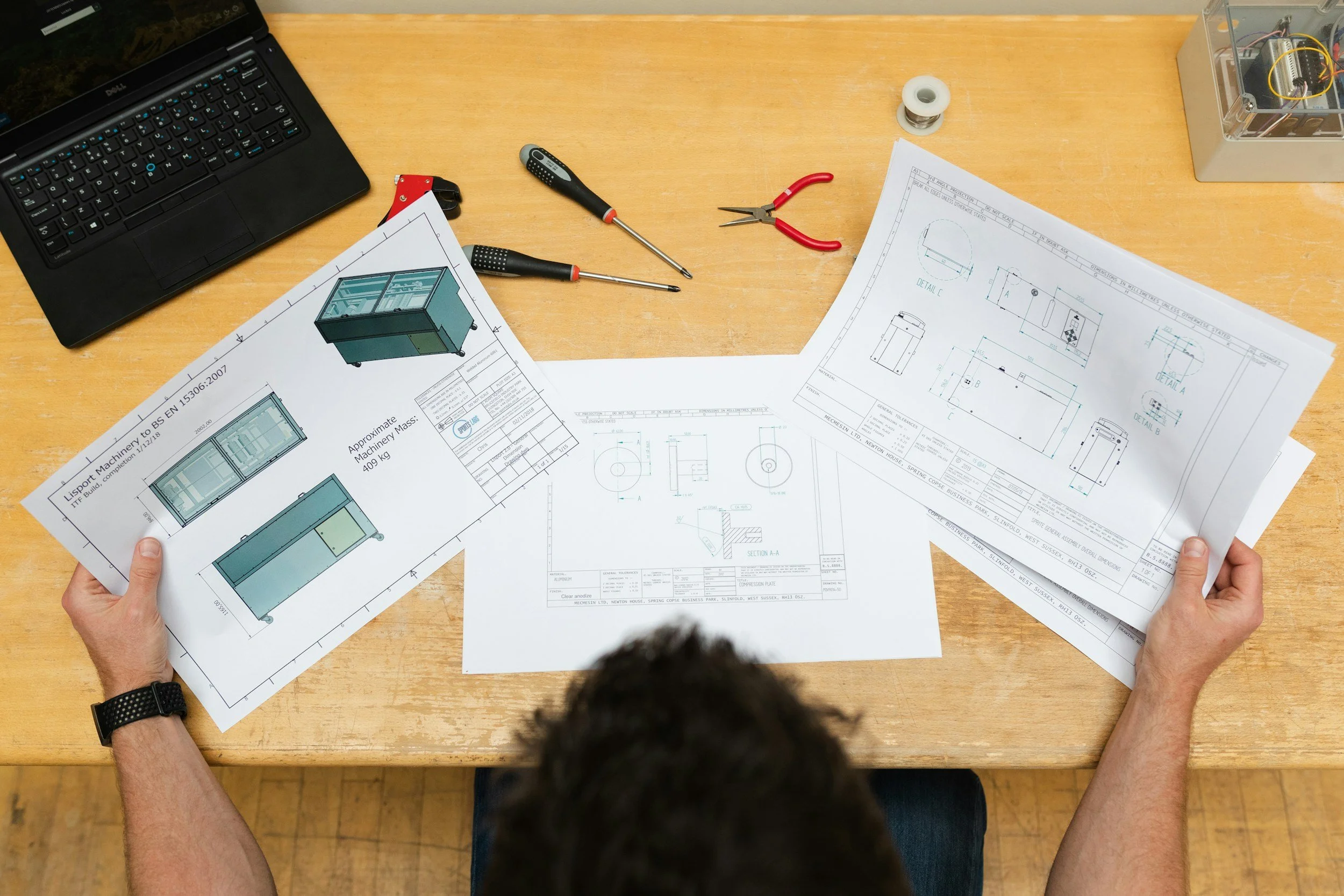
Why more homeowners are commissioning surveys
Across Dorset and the wider South of England, a growing number of homeowners are commissioning structural surveys before starting renovation work. This shift reflects a more cautious and informed approach to building, particularly as properties age and renovation projects become more ambitious.
Many homes built between the 1930s and 1990s were constructed to standards that differ significantly from those expected today. While these properties are often structurally sound, years of settlement, weather exposure and previous alterations can introduce hidden weaknesses that only become visible once work begins.
Homeowners are increasingly aware that identifying these issues early can prevent delays, unexpected costs and compromised finishes later.
What a structural survey actually provides
A structural survey focuses on the integrity of the building rather than cosmetic condition. It examines foundations, load bearing walls, roof structures, lintels and any previous alterations that may affect stability.
For renovation projects involving extensions, wall removals, loft conversions or layout reconfiguration, a survey provides clarity on what is possible and what reinforcement may be required.
Builders like Causeway Construction often work alongside structural engineers to ensure designs are both practical and compliant with modern regulations.
Why this trend is growing in Dorset
Many Dorset homes sit on varied ground conditions, from clay soils to coastal substrates. These conditions can influence settlement and structural behaviour over time. In areas such as Bournemouth, Poole and Christchurch, properties near the coast are also exposed to stronger winds and salt air, which can accelerate material wear.
As renovation projects increase in scale, homeowners are choosing to invest in certainty before committing to construction.
Long term benefits for homeowners
Commissioning a survey early helps
• reduce unexpected costs
• improve build accuracy
• protect structural safety
• speed up approvals
• give builders clearer guidance
While it adds a small upfront cost, it often saves significantly more during construction.